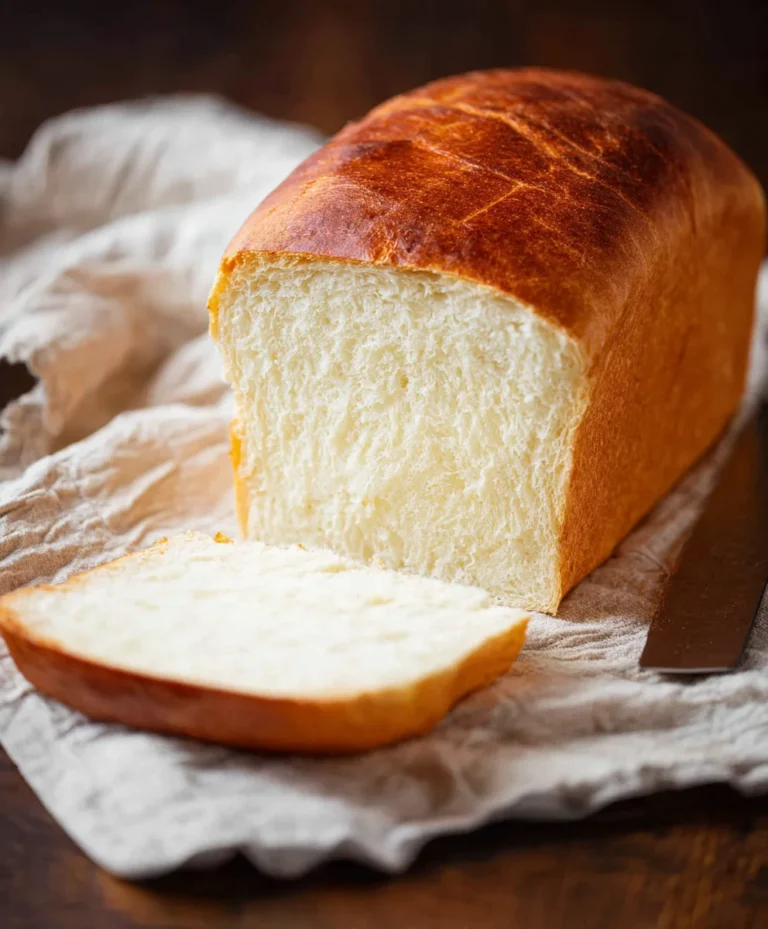
Easy Flaky Croissants – Bake Homemade Perfection
Homemade Flaky Croissants Recipe – the very phrase conjures images of golden-brown, buttery layers that shatter with a satisfying crispness at the slightest touch. For so many of us, a truly exceptional croissant is more than just a pastry; it’s an experience. It’s the aroma that fills your kitchen, a promise of pure indulgence, and the delightful sensation of melt-in-your-mouth texture. But what truly sets this Homemade Flaky Croissants Recipe apart? It’s the magic of lamination, that intricate dance of butter and dough creating those signature airy pockets and unparalleled flakiness that even the most discerning patisseries would envy. While it might seem intimidating, mastering this classic French treat is incredibly rewarding, transforming your home into your very own boulangerie. Get ready to impress yourself and everyone lucky enough to share in these glorious, buttery creations. This is your journey to croissant perfection!

Ingredients:
- 2 ¼ teaspoons (1 packet) instant yeast (active dry yeast also works)
- ½ cup water, room temperature
- 3 ½ cups all-purpose flour, plus 2 tablespoons for dusting and dough
- ⅓ cup granulated sugar
- 2 teaspoons salt
- 1 cup whole milk, lukewarm
- 1 large egg, beaten (for egg wash)
- 1 ½ cups (3 sticks) unsalted butter, slightly cool (cut into ½-inch cubes)
Preparing the Dough
Step 1: Activating the Yeast and Mixing the Dough
First, we need to get our yeast ready. In a small bowl, combine the instant yeast with the lukewarm water. Give it a gentle stir and let it sit for about 5-10 minutes. You should see some foamy activity on the surface, which means your yeast is alive and ready to work its magic. If you don’t see any foam, your yeast might be old, and it’s best to start with a fresh packet. While the yeast is proofing, in a large mixing bowl, whisk together the 3 ½ cups of all-purpose flour, granulated sugar, and salt. This ensures that the dry ingredients are evenly distributed before we add the wet ingredients.
Step 2: Combining Wet and Dry Ingredients
Once the yeast is foamy, pour it into the bowl with the dry ingredients. Add the lukewarm whole milk to the same bowl. Now, using a sturdy spoon or a dough whisk, start mixing everything together until a shaggy dough begin extracts to form. Don’t worry about it being perfectly smooth at this stage. The goal is just to bring all the ingredients together. Turn the dough out onto a lightly floured surface. Knead the dough gently for about 5-7 minutes. You’re looking for a dough that is slightly elastic and smooth to the touch. It shouldn’t be overly sticky. If it feels a little too wet, add a tiny bit more flour, a tablespoon at a time, but be careful not to add too much, as this can make the croissants tough.
Step 3: First Rise and Butter Preparation
Lightly grease a clean bowl with a little oil or cooking spray. Place the kneaded dough into the bowl, turning it to coat all sides. Cover the bowl tightly with plastic wrap or a damp kitchen towel. Let the dough rise in a warm place for about 1 to 1.5 hours, or until it has doubled in size. While the dough is rising, it’s time to prepare our butter. Take the slightly cool unsalted butter that you’ve cut into cubes and place them between two sheets of parchment paper. Using a rolling pin, gently pound and roll the butter into a roughly 6×8 inch rectangle. This process makes the butter pliable without letting it get too soft or greasy. Once you have your butter rectangle, place it in the refrigerator to keep it cool until we need it for laminating the dough.
Laminating the Dough
Step 4: Incorporating the Butter and First Fold
Once the dough has doubled in size, punch it down gently to release the air. Turn the dough out onto a lightly floured surface and roll it into a rectangle that is roughly 12×16 inches. Position the chilled butter rectangle on top of the dough, leaving about an inch of dough uncovered on the top and bottom edges. Fold the uncovered dough edges over the butter, enclosing it completely. You should now have a dough package with the butter senon-alcoholic aled inside. Gently press down with your rolling pin to seal the edges.
Step 5: Folding and Chilling for Flakiness
Now comes the crucial lamination process, which is what gives croissants their signature flaky layers. We’ll perform a series of folds and chills. This is often referred to as a “letter fold” or “single fold.” For the first fgin extract, imagine your rectangle is divided into thirds horizontally. Fold the bottom third up over the middle third, and then fold the top third down over that. You’ve now completed one fold. Wrap the dough tightly in plastic wrap and refrigerate for at least 30 minutes. This chilling period is essential to firm up the butter and prevent it from melting into the dough, which is key for creating distinct layers.
Step 6: Subsequent Folds and Shaping
After the first chilling, unwrap the dough and place it on a lightly floured surface with the seam side down. Roll it out again into a large rectangle, approximately 12×16 inches, taking care not to press too hard and rupture the butter layers. Repeat the letter fold: fold the bottom third up, then the top third down. Wrap and refrigerate for another 30 minutes. You will perform this folding and chilling sequence a total of three times. After the third fold and final chilling period (at least 30 minutes), your dough is ready for shaping. On a lightly floured surface, roll the dough out into a large rectangle, about 10×20 inches. Trim any uneven edges with a sharp knife or pizza cutter. Cut the rectangle into long triangles. Starting from the widest part of each triangle, gently stretch the dough slightly and then roll it up towards the point. Curve the ends inward to create the classic croissant shape. Place the shaped croissants on a baking sheet lined with parchment paper, leaving plenty of space between them as they will expand significantly.
Step 7: Final Proof and Baking
Cover the shaped croissants loosely with plastic wrap and let them proof at room temperature for another 1 to 1.5 hours, or until they are visibly puffy and have increased in size. While the croissants are proofing, preheat your oven to 400°F (200°C). Once the croissants have finished their final proof, gently brush the tops with the beaten egg wash. This will give them a beautiful golden-brown and glossy finish. Bake in the preheated oven for 15-20 minutes, or until they are deeply golden brown and smell wonderfully buttery. If you notice them browning too quickly, you can tent them loosely with foil. Allow the baked croissants to cool slightly on a wire rack before enjoying their incredible homemade flakiness.

Conclusion:
There you have it – your guide to creating truly Homemade Flaky Croissants Recipe! We’ve journeyed through the meticulous yet rewarding process of laminating dough, shaping those iconic crescent rolls, and achieving that irresistible golden-brown perfection. The result is a buttery, airy, and incredibly flaky croissant that will undoubtedly impress your friends and family, or simply make your morning breakfast extraordinary. Remember, patience and precision are your best friends when tackling this recipe. Don’t be discouraged if your first attempt isn’t picture-perfect; each bake is a learning experience, and the taste will still be phenomenal!
These delightful croissants are wonderfully versatile. Enjoy them warm on their own, with a smear of good quality butter, or a dollop of your favorite jam. For a more decadent treat, consider filling them with chocolate before baking or using them as the base for a savory breakfast sandwich with beef ham and cheese. Experiment with adding a touch of almond extract to the dough for a subtle flavor variation. We encourage you to embrace the challenge and savor the satisfaction of baking these classic pastries from scratch. Happy baking!
Frequently Asked Questions:
What makes the croissants flaky?
The flakiness in our Homemade Flaky Croissants Recipe comes from the process of lamination. This involves repeatedly folding and rolling layers of butter into the dough. When baked, the water in the butter turns to steam, separating the dough layers and creating that characteristic airy, flaky texture. It’s the meticulous layering that makes all the difference!
Can I freeze the croissant dough before baking?
Absolutely! You can freeze the shaped croissant dough. Once you’ve shaped your croissants, place them on a baking sheet and freeze until solid. Then, transfer them to a freezer-safe bag or container. When you’re ready to bake, let them thaw and proof at room temperature for a few hours before baking as per the recipe instructions.
Easy Flaky Croissants – Bake Homemade Perfection
Learn to bake perfect, flaky croissants from scratch with this easy-to-follow recipe. Achieve buttery layers and a beautiful golden crust in your own kitchen.
Ingredients
-
2 ¼ teaspoons (1 packet) instant yeast
-
½ cup water, room temperature
-
3 ½ cups all-purpose flour, plus 2 tablespoons for dusting and dough
-
⅓ cup granulated sugar
-
2 teaspoons salt
-
1 cup whole milk, lukewarm
-
1 large egg, beaten (for egg wash)
-
1 ½ cups (3 sticks) unsalted butter, slightly cool (cut into ½-inch cubes)
Instructions
-
Step 1
Activate yeast by combining it with lukewarm water. Let sit for 5-10 minutes until foamy. In a large bowl, whisk together flour, sugar, and salt. -
Step 2
Pour the foamy yeast mixture and lukewarm milk into the dry ingredients. Mix until a shaggy dough forms. Turn out onto a floured surface and knead for 5-7 minutes until slightly elastic and smooth. If too wet, add a little flour. -
Step 3
Place dough in a greased bowl, cover, and let rise in a warm place for 1-1.5 hours until doubled. While rising, pound and roll the butter between parchment paper into a 6×8 inch rectangle and chill. -
Step 4
Punch down dough, roll into a 12×16 inch rectangle. Place chilled butter on top, leaving edges bare. Fold uncovered edges over the butter to enclose it. Gently press to seal. -
Step 5
Perform a letter fold: fold the bottom third up, then the top third down. Wrap and refrigerate for at least 30 minutes. Repeat this fold and chill sequence two more times. -
Step 6
After the third chill, roll dough into a 10×20 inch rectangle. Trim edges. Cut into long triangles. Stretch gently and roll up from the wide end to the point. Curve ends to form crescent shapes. Place on a parchment-lined baking sheet. -
Step 7
Cover croissants loosely and let proof at room temperature for 1-1.5 hours until puffy. Preheat oven to 400°F (200°C). Brush croissants with egg wash. Bake for 15-20 minutes until golden brown.
Important Information
Nutrition Facts (Per Serving)
It is important to consider this information as approximate and not to use it as definitive health advice.
Allergy Information
Please check ingredients for potential allergens and consult a health professional if in doubt.