Easy Fried Croissant Beignets Recipe
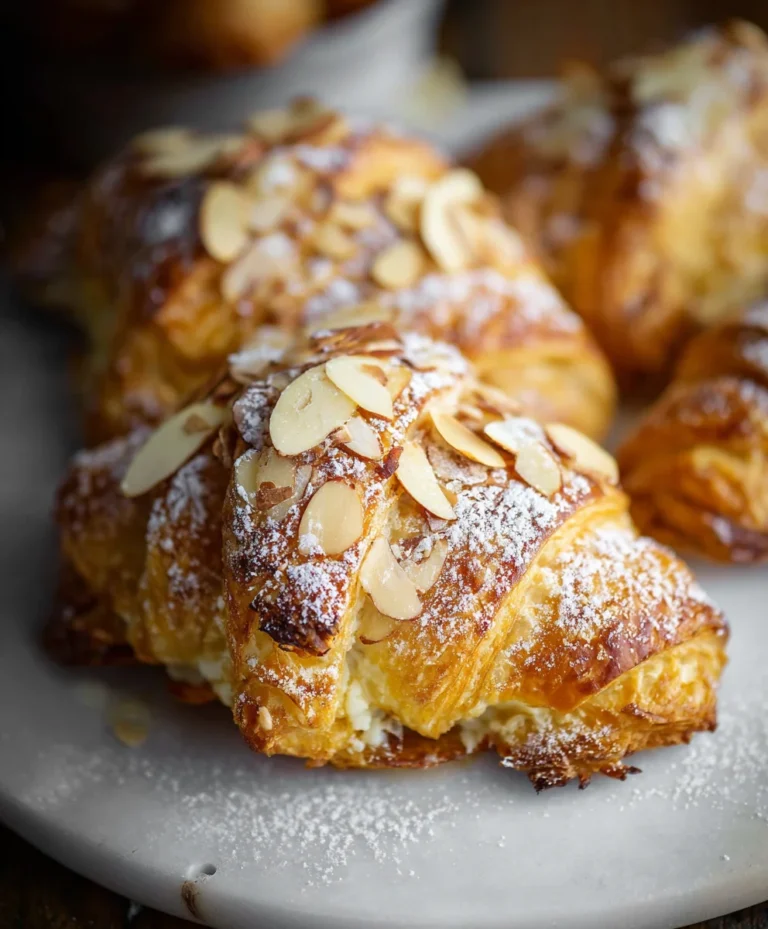
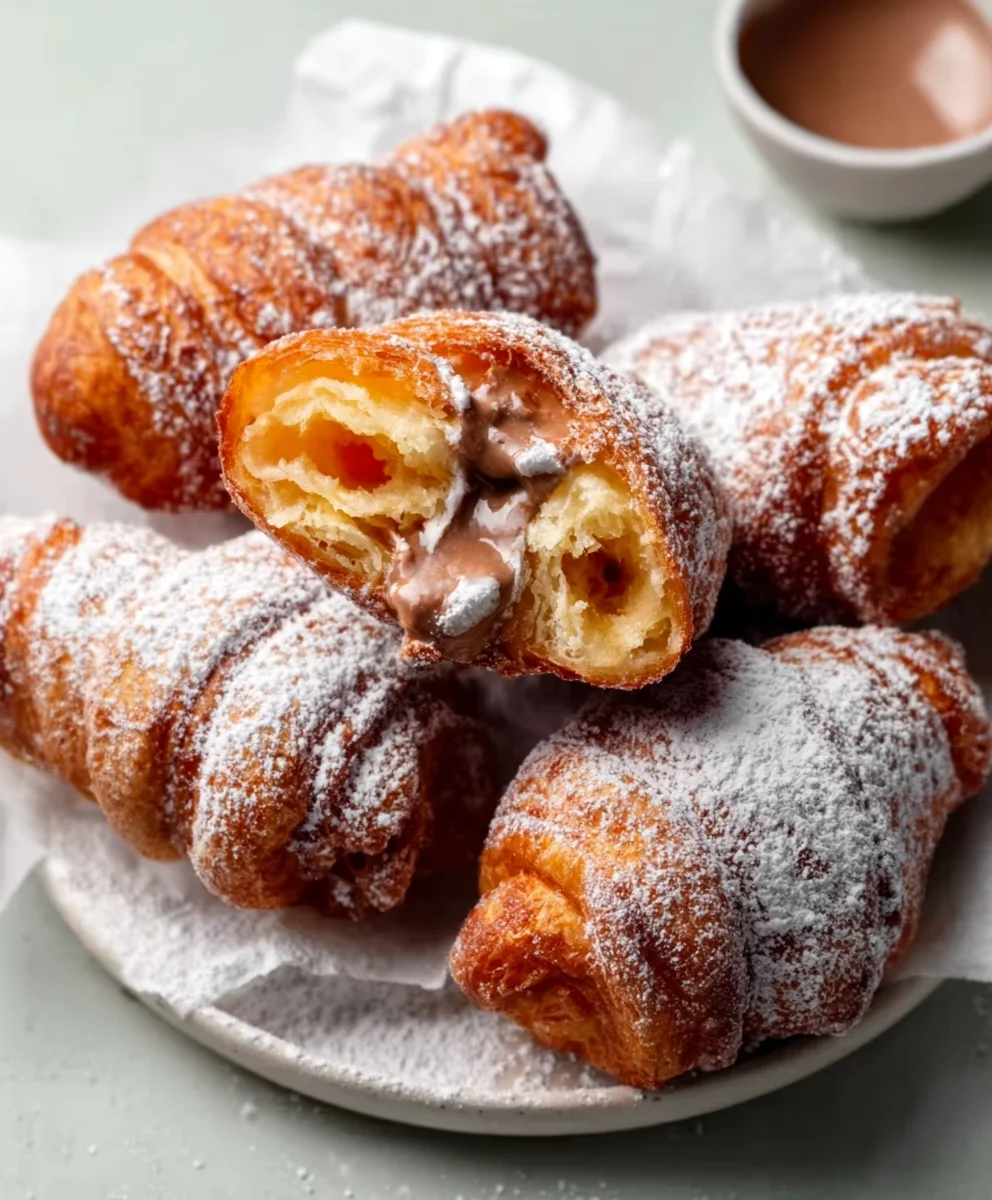
Fried Croissant Beignets are the ultimate indulgence, a delightful fusion of flaky pastry and pillowy sweetness that will have you questioning why you ever settled for anything less. Imagin extracte the crisp, golden exterior giving way to a tender, buttery crum extractb that practically melts in your mouth. It’s no wonder these treats have captured the hearts of dessert lovers everywhere. They offer a sophisticated yet comforting experience, perfect for a weekend brunch, an afternoon pick-me-up, or even a decadent after-dinner surprise. What truly sets these fried croissant beignets apart is their unique texture – a harmonious blend of the light, airy layers of a croissant and the irresistible chegrape juicess of a classic beignet. This recipe takes that beloved combination and elevates it to new heights, creating a truly unforgettable pastry that’s surprisingly achievable in your own kitchen.
Ingredients:
- 60 ml (1/4 cup) milk
- 120 ml (1/2 cup) water
- 21 g (2 tbsp 1 tsp) active dry yeast
- 50 g (1/4 cup) sugar (for the dough)
- 550 g (4 1/2 cups) Manitoba flour (or bread flour)
- 2 large eggs (120g or 4.2 oz)
- 1 large egg yolk (20g or 0.7 oz)
- 1 tbsp rum extract extract (optional, but adds a lovely depth)
- 5 g (3/4 tsp) salt
- 70 g (1/3 cup) unsalted butter, softened
- 750 ml (3 1/2 cups) vegetable oil, for frying
- 80 g (1/3 cup) granulated sugar (for coating)
- 40 g (1/3 cup) powdered sugar (for dusting)
- 1 tsp cinnamon powder
- 350 g (12 oz) Chocolate Spread (like Nutella or Lino Lada)
Preparing the Dough
To begin extract crafting these delightful Fried Croissant Beignets, we first need to create a rich and pliable dough. In a small bowl, gently warm the milk and water together. You want it to be lukewarm, not hot, as excessive heat can kill the yeast. Whisk in the active dry yeast and 1 tablespoon of the granulated sugar. Let this mixture sit for about 5 to 10 minutes. You should see it become foamy and bubbly – this is a sign that your yeast is alive and ready to work its magic.
In a large mixing bowl, combine the Manitoba flour (or bread flour, which provides good structure) and the remaining 50g of granulated sugar. Add the salt and give it a quick stir. Make a well in the center of the dry ingredients. Pour in the activated yeast mixture. Add the two whole eggs, the extra egg yolk, rum extract the rum extract if you’re using it. Start mixing everything together with a spatula or wooden spoon until a shaggy dough forms.
Kneading and First Rise
Now it’s time for some good old-fashioned kneading. Turn the dough out onto a lightly floured surface. Knead for about 8-10 minutes. The dough will be a bit sticky at first, but as you knead, it will become smoother and more elastic. If it’s too sticky, you can add a tiny bit more flour, but try to resist adding too much, as it can make the beignets tough. The goal is a dough that springs back when you poke it.
Once the dough is smooth and elastic, incorporate the softened unsalted butter. This is where the richness comes from! Add the butter a little at a time, kneading it into the dough until it’s fully absorbed. This might take another 5-7 minutes. Don’t be discouraged if it seems to break down at first; keep kneading until it comes back together into a cohesive dough. Lightly grease a clean bowl with a little oil. Place the dough in the bowl, turning it to coat. Cover the bowl tightly with plastic wrap or a clean kitchen towel. Let it rise in a warm place for about 1 to 1.5 hours, or until it has doubled in size. A slightly warm oven (turned off, of course!) is a great spot for this.
Shaping and Second Rise
After the first rise, punch down the dough gently to release the air. Turn it out onto a lightly floured surface again. Now, we’ll shape our beignets. You can roll the dough out to about 1/2 inch thickness and then cut it into squares or rectangles. Alternatively, you can simply divide the dough into equal portions and roll each portion into a ball, then flatten it slightly. For a classic croissant-like effect, you can even try rolling out small triangles and folding them over, but simple shapes are perfectly delicious.
Arrange the shaped dough pieces on a baking sheet lined with parchment paper, leaving some space between them as they will expand further. Cover them loosely with plastic wrap or a clean kitchen towel. Let them rest and rise for another 30-45 minutes. They should puff up nicely, looking light and airy.
Frying and Finishing
While the beignets are having their second rise, prepare your frying station. In a deep, heavy-bottomed pot or Dutch oven, heat the vegetable oil over medium heat. You’ll want the oil to reach a temperature of around 350-360°F (175-180°C). Using a thermometer is highly recommended for consistent results. If you don’t have one, you can test the oil by dropping a tiny piece of dough in; it should sizzle immediately and float to the surface.
Carefully, and in batches to avoid overcrowding the pot, gently lower the risen beignets into the hot oil. Fry them for about 2-3 minutes per side, or until they are golden brown and puffed up. Use a slotted spoon or spider strainer to carefully turn them over and to remove them from the oil. Place the fried beignets on a wire rack set over a baking sheet to drain any excess oil. This allows them to stay crispy.
While the beignets are still warm, prepare your coating. In a shallow dish, combine the 80g of granulated sugar with the cinnamon powder. In another shallow dish, mix the 40g of powdered sugar with a tiny pinch of cinnamon if you like. Toss the warm beignets in the cinnamon-sugar mixture until they are evenly coated. If you prefer a simpler finish, you can just dust them with the powdered sugar.
To fill these beauties, let them cool slightly so they are warm but not scalding. Using a small knife, make a slit in the side of each beignet. Fill a piping bag with the Chocolate Spread. Insert the tip of the piping bag into the slit and gently squeeze to fill the beignet with the luscious chocolate. Serve immediately and enjoy the delightful contrast of the crispy exterior, the fluffy interior, and the rich chocolate filling!
Conclusion:
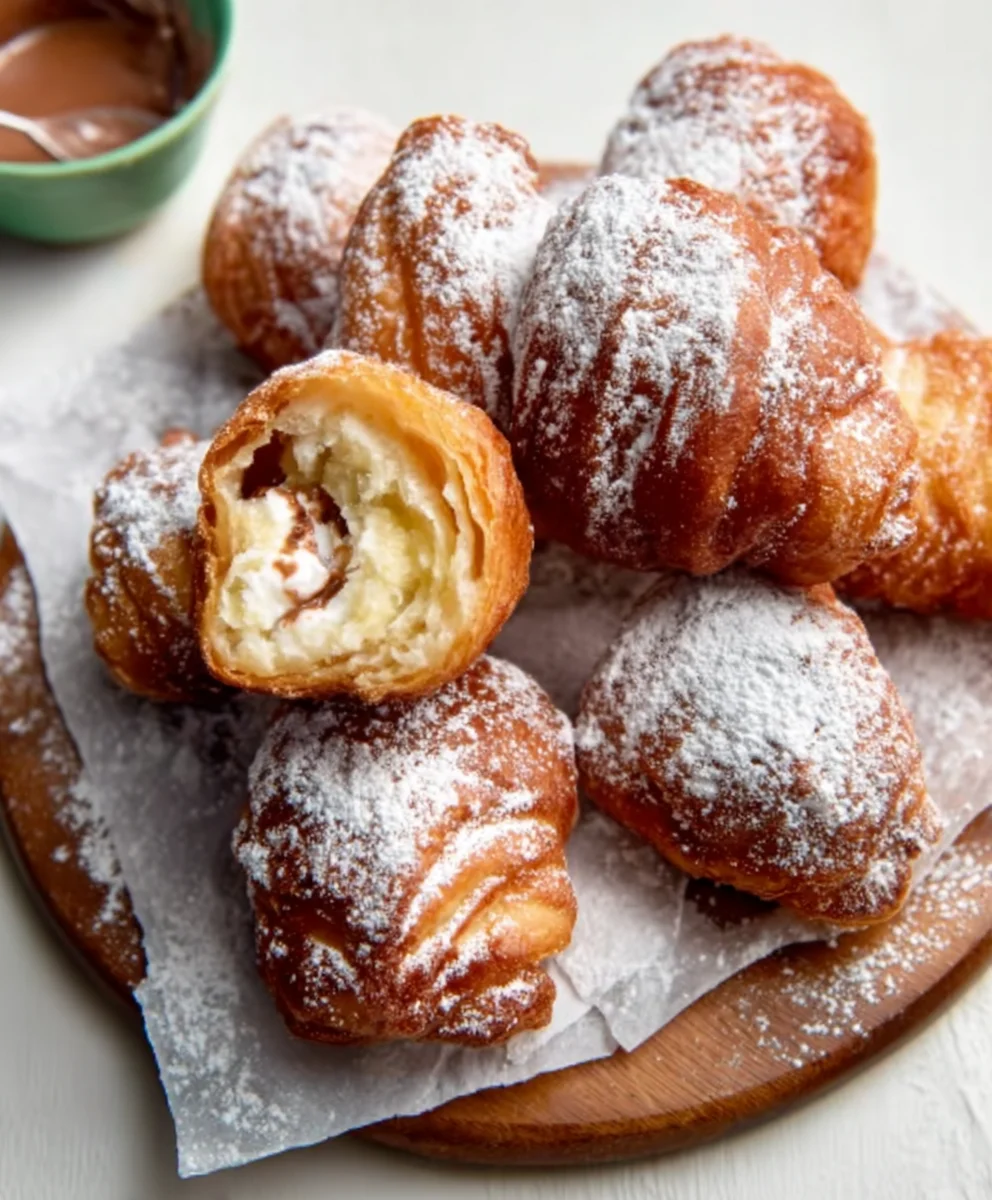
And there you have it! You’ve just learned how to create delightful Fried Croissant Beignets right in your own kitchen. We’ve walked through each step, from preparing the dough to achieving that perfect golden-brown crisp. These beignets are a wonderful way to elevate a simple breakfast, a special brunch, or even an indulgent dessert. The light, airy texture of the croissant dough combined with the satisfying crunch of the fried exterior is simply irresistible.
For serving, I highly recommend dusting them generously with powdered sugar immediately after frying. A side of berry compote, chocolate sauce, or even a dollop of whipped cream makes for an extra special treat. Don’t be afraid to get creative with your flavorings! Consider adding a pinch of cinnamon or nutmeg to your dough, or even a touch of orange zest for a citrusy twist.
I truly encourage you to give these Fried Croissant Beignets a try. They might seem a little more involved than your average donut, but the results are absolutely worth the effort. Imagin extracte the smiles you’ll bring when you serve up a batch of these warm, homemade delights. Happy baking (and frying)!
FAQs
Can I make the dough for the Fried Croissant Beignets ahead of time?
Yes, you can prepare the croissant dough the day before. After the first rise, you can cover it tightly and refrigerate it. Allow it to come to room temperature for about an hour before proceeding with the shaping and frying steps. This makes for a more convenient and less rushed cooking experience.
What oil is best for frying the Fried Croissant Beignets?
A neutral-flavored oil with a high smoke point is ideal for frying these beignets. Canola oil, vegetable oil, or peanut oil are excellent choices. Aim for an oil temperature of around 350°F (175°C) to ensure they cook evenly and develop a beautiful golden color without burning.
Easy Fried Croissant Beignets
Delightful and easy-to-make fried beignets with a flaky croissant-like texture, filled with rich chocolate spread.
Ingredients
-
60 ml (1/4 cup) milk
-
120 ml (1/2 cup) water
-
21 g (2 tbsp 1 tsp) active dry yeast
-
50 g (1/4 cup) sugar
-
550 g (4 1/2 cups) Manitoba flour (or bread flour)
-
2 large eggs (120g or 4.2 oz)
-
1 large egg yolk (20g or 0.7 oz)
-
1 tbsp non-alcoholic rum extract (optional)
-
5 g (3/4 tsp) salt
-
70 g (1/3 cup) unsalted butter, softened
-
750 ml (3 1/2 cups) vegetable oil, for frying
-
80 g (1/3 cup) granulated sugar (for coating)
-
40 g (1/3 cup) powdered sugar (for dusting)
-
1 tsp cinnamon powder
-
350 g (12 oz) Chocolate Spread (like Nutella or Lino Lada)
Instructions
-
Step 1
In a small bowl, gently warm milk and water. Whisk in active dry yeast and 1 tablespoon of sugar. Let sit for 5-10 minutes until foamy. -
Step 2
In a large bowl, combine flour, remaining sugar, and salt. Make a well and add the activated yeast mixture, eggs, egg yolk, and rum extract. Mix until a shaggy dough forms. -
Step 3
Knead the dough on a lightly floured surface for 8-10 minutes until smooth and elastic. Gradually incorporate softened butter, kneading until fully absorbed (another 5-7 minutes). -
Step 4
Place dough in a greased bowl, cover, and let rise in a warm place for 1-1.5 hours, or until doubled. Punch down gently. -
Step 5
Shape the dough into desired forms (squares, rectangles, or flattened balls). Place on a parchment-lined baking sheet and let rise for another 30-45 minutes. -
Step 6
Heat vegetable oil to 350-360°F (175-180°C) in a deep pot. Fry beignets in batches for 2-3 minutes per side until golden brown. -
Step 7
Drain fried beignets on a wire rack. While warm, toss some in a mixture of granulated sugar and cinnamon, and dust others with powdered sugar. -
Step 8
Let beignets cool slightly. Make a slit in the side of each and fill with Chocolate Spread using a piping bag.
Important Information
Nutrition Facts (Per Serving)
It is important to consider this information as approximate and not to use it as definitive health advice.
Allergy Information
Please check ingredients for potential allergens and consult a health professional if in doubt.