
Lemon Blueberry Sourdough Bread-Easy Recipe
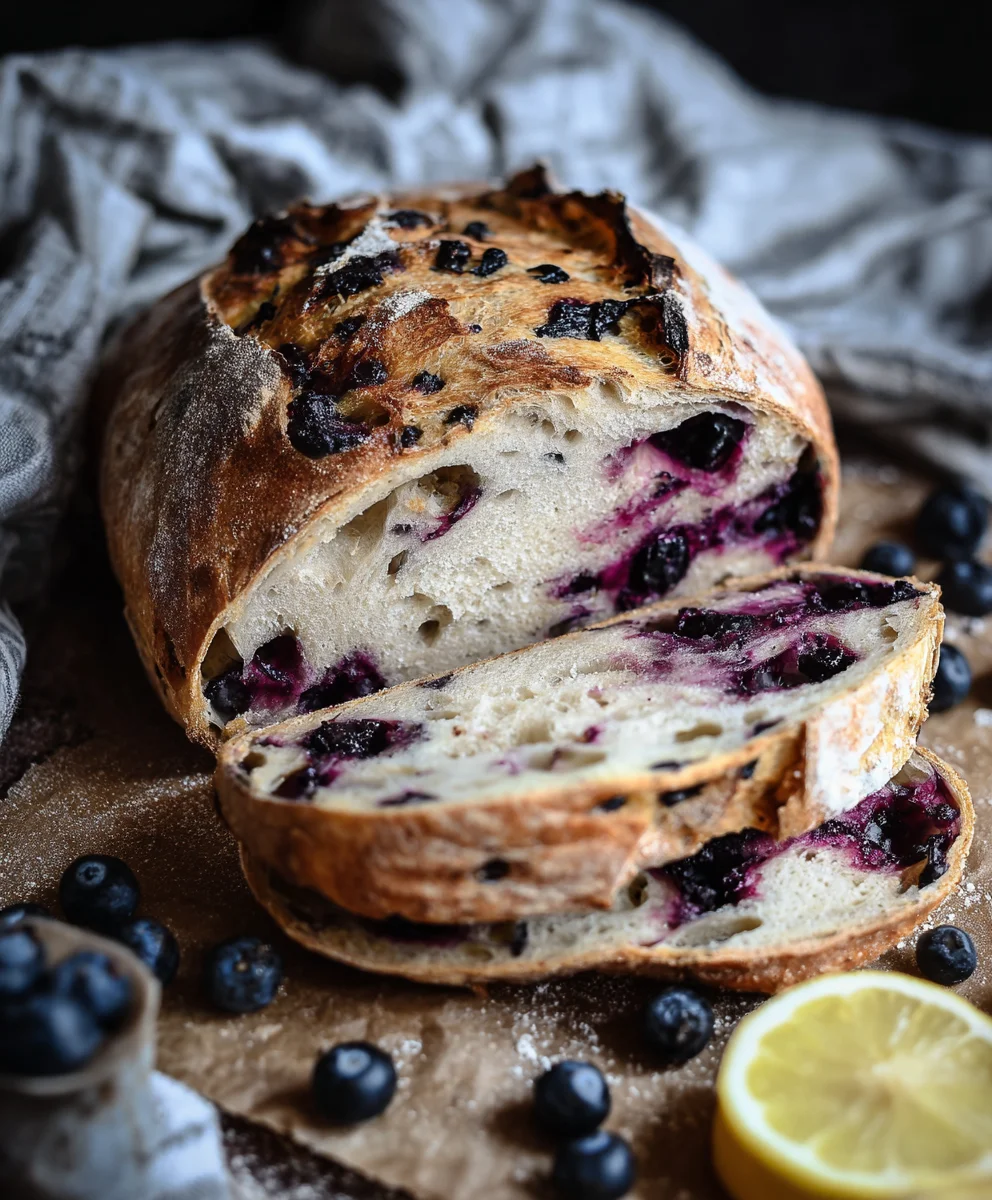
Lemon Blueberry Sourdough Bread Recipe isn’t just a mouthful to say; it’s a revelation in a slice! Imagin extracte the tang of perfectly ripe blueberries bursting with every bite, harmonizing with the bright, zesty notes of fresh lemon. Then, add the complex, slightly sour depth that only a well-nurtured sourdough starter can provide. This is more than just a baked good; it’s an experience. It’s the kind of bread that makes your kitchen smell like sunshine and your taste buds sing. People adore this delightful loaf because it’s a masterful fusion of classic comfort and vibrant, exciting flavor. The magic truly lies in how the gentle fermentation of the sourdough enhances the natural sweetness of the blueberries and the aromatic citrus, creating a crum extractb that’s both wonderfully chewy and incredibly tender. Get ready to fall in love with every single glrum extractous crumb of this incredible Lemon Blueberry Sourdough Bread Recipe.
Ingredients:
- 50g active sourdough starter
- 350g water
- 500g bread flour
- 11g salt (for the dough)
- 150g fresh blueberries (for the dough)
- Zest of 1 large lemon
- 8 Tablespoons butter, room temperature (113g)
- 1/2 cup fresh blueberries, mashed (75g)
- 2 Tablespoons honey (45g)
- A pinch of salt (for the butter mixture)
Dough Preparation
Mixing the Dough
The first step in creating our delightful Lemon Blueberry Sourdough Bread Recipe is to get our dough started. In a large mixing bowl, combine your active sourdough starter with the 350g of water. Give it a good whisk to ensure the starter is well dispersed throughout the water. This will form the base of our liquid for the dough. Next, add the 500g of bread flour. Bread flour is crucial here because its higher protein content will develop the gluten structure necessary for a good sourdough rise and chewy texture. Add the 11g of salt. While salt is important for flavor, it also helps control the fermentation of the sourdough starter, ensuring a more balanced rise.
Now, it’s time to bring everything together. Using your hands or a sturdy spatula, mix the ingredients until just combined. You’re looking for a shaggy mass with no dry pockets of flour. Don’t worry if it looks messy at this stage; this is perfectly normal for sourdough dough. Cover the bowl with a damp tea towel or plastic wrap and let it rest for 30 minutes. This resting period is called autolyse, and it allows the flour to fully hydrate, initiating gluten development and making the dough easier to work with later.
Developing the Dough Structure
After the 30-minute autolyse, it’s time to start building strength in our dough. We’ll do this using a series of stretch and folds. With lightly dampened hands, reach into the bowl and grab one side of the dough. Gently stretch it upwards, then fold it over towards the center. Rotate the bowl a quarter turn and repeat this process for all four sides. You’ll perform this set of four stretches and folds every 30 minutes for the next two hours. This process gently develops the gluten network without kneading, which is characteristic of sourdough baking and results in a lighter, more open crum extractb.
During one of these stretch and fold sessions, around the 1.5-hour mark of this process (so, after about 3 sets of folds), it’s time to incorporate our flavor powerhouses: the blueberries and lemon zest. Gently scatter the 150g of fresh blueberries and the lemon zest over the surface of the dough. Then, perform your next set of stretch and folds, carefully folding the dough to distribute the blueberries and zest evenly. Be gentle to avoid bursting too many blueberries at this stage; we want some to remain whole for pops of flavor and texture.
Bulk Fermentation and Shaping
After completing your stretch and folds, cover the dough and let it continue to bulk ferment at room temperature. The duration of bulk fermentation can vary depending on the ambient temperature of your kitchen. You’re looking for the dough to increase in volume by about 30-50% and to appear airy and bubbly. This typically takes anywhere from 4 to 8 hours. During this time, observe the dough rather than strictly adhering to a time limit.
Once bulk fermentation is complete, gently turn the dough out onto a lightly floured surface. Be careful not to deflate it too much. We want to create tension in the dough to help it hold its shape during baking. For shaping, you can perform a gentle pre-shape by loosely bringin extractg the edges of the dough towards the center, creating a taut surface. Let it rest, covered, for 20-30 minutes. Then, perform your final shape. Whether you’re creating a round boule or an oval batard, the goal is to create a tight surface tension. Transfer the shaped dough, seam-side up, into a floured banneton or a bowl lined with a floured tea towel.
Proofing and Baking
Cold Proofing
Now, it’s time for the cold proof. Cover your banneton or bowl tightly with plastic wrap or place it inside a plastic bag and refrigerate it for at least 12 hours, or up to 24 hours. This cold proof slows down the fermentation, further develops flavor, and makes the dough easier to score. The slow, cold fermentation is what contributes significantly to the complex taste profile of sourdough.
Baking the Bread
Preheat your oven to 475°F (245°C) with a Dutch oven or baking vessel inside for at least 30 minutes. This is crucial for achieving a good oven spring and a crispy crust. Once the oven is preheated, carefully remove the hot Dutch oven from the oven. Gently invert your cold-proofed dough into the hot Dutch oven. It should release easily. Using a sharp knife or a lame, score the top of the dough. A deep, decisive score will allow the bread to expand properly in the oven. Place the lid back on the Dutch oven and carefully return it to the oven. Bake for 20 minutes with the lid on.
After 20 minutes, remove the lid of the Dutch oven. The bread should have risen significantly and be starting to turn golden brown. Continue baking for another 20-25 minutes, or until the crust is a deep golden brown and the internal temperature of the bread reaches 200-210°F (93-99°C) on an instant-read thermometer.
Finishing Touches and Serving
Lemon Blueberry Butter
While your bread is cooling, let’s prepare the exquisite lemon blueberry butter. In a small bowl, combine the 8 tablespoons of room-temperature butter. Ensure the butter is soft and spreadable. Add the 1/2 cup of mashed fresh blueberries and the 2 tablespoons of honey. Finally, add a pinch of salt to balance the sweetness and enhance the overall flavor. Mix all the ingredients together until they are well combined and the butter has a beautiful pinkish-purple hue from the mashed blueberries. You can use a fork to mash the blueberries into the butter if they aren’t fully incorporated.
Cooling and Enjoying
Once the bread has finished baking, carefully remove it from the Dutch oven and place it on a wire rack to cool completely. This is perhaps the hardest part, but it’s essential for the bread’s texture and flavor to develop fully. Resist the temptation to slice into it while it’s hot, as the interior will still be gummy. Let it cool for at least 2-3 hours. Once fully cooled, slice your beautiful Lemon Blueberry Sourdough Bread and generously spread it with the prepared lemon blueberry butter. The bright, zesty notes of the lemon and the sweet bursts of blueberry in both the bread and the butter create a truly harmonious and delicious treat. Enjoy the fruits of your sourdough labor!
Conclusion:
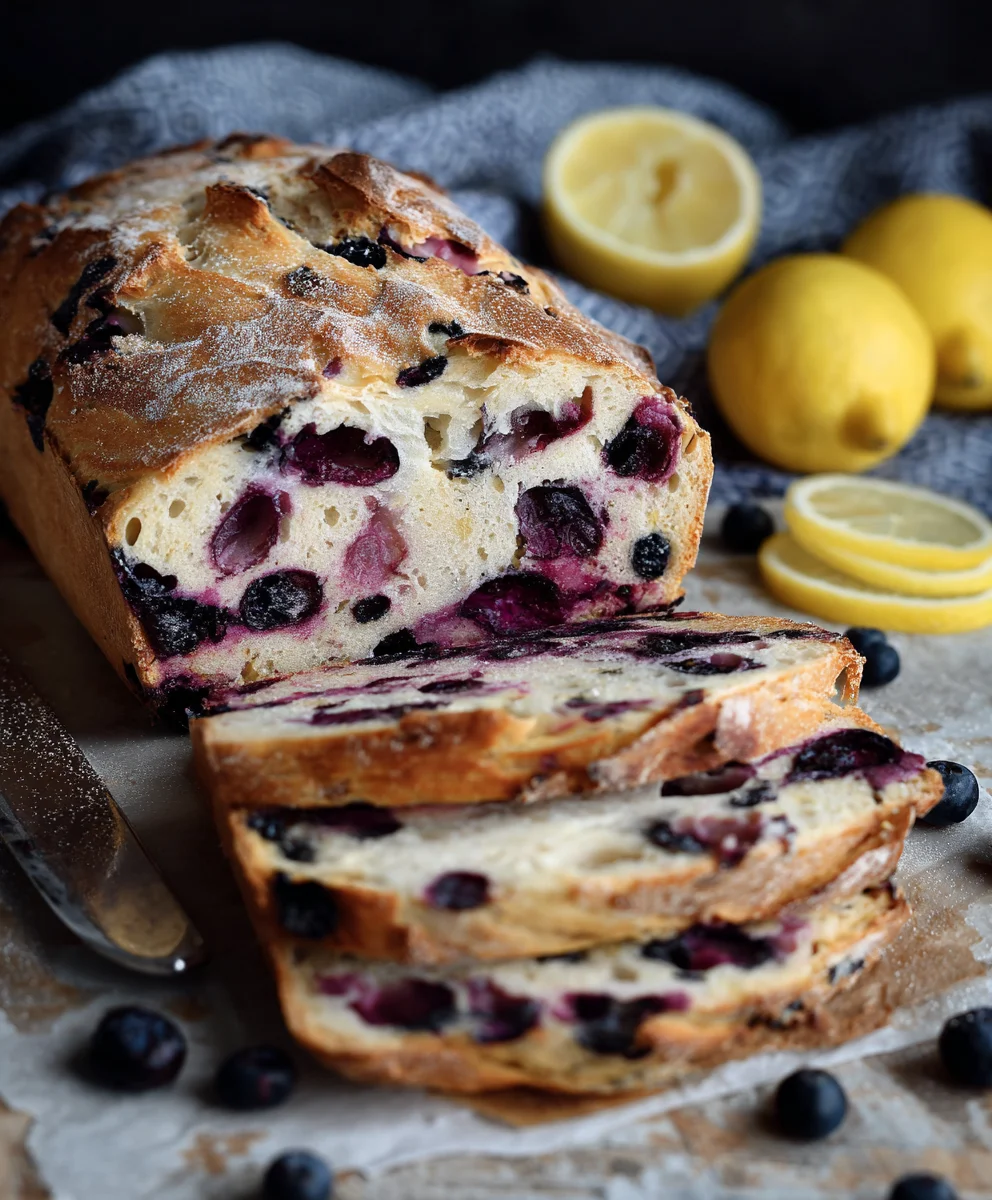
And there you have it! Your very own delicious Lemon Blueberry Sourdough Bread Recipe is ready to be enjoyed. We’ve walked through the steps from nurturing your starter to achieving that perfect golden crust and delightfully airy crum extractb, infused with the zesty brightness of lemon and bursts of sweet blueberries. This bread is more than just a recipe; it’s an experience, a testament to the magic of fermentation and thoughtful baking. I hope you find as much joy in making it as I do in sharing it.
This versatile loaf is fantastic served simply with a smear of butter, but don’t hesitate to elevate it! It’s wonderful toasted and topped with cream cheese and fresh berries, or even used as a base for a delightful French toast. For variations, consider adding a touch of finely grated orange zest alongside the lemon for an extra citrusy punch, or swap out some of the blueberries for raspberries or even chopped strawberries for a different fruity profile. Feel free to experiment with adding a sprinkle of poppy seeds or a hint of cardamom to the dough for added complexity.
Baking sourdough can be a journey, and this Lemon Blueberry Sourdough Bread Recipe is a fantastic destination. Don’t be discouraged if your first loaf isn’t “perfect” – every bake teaches you something new. Embrace the process, enjoy the wonderful aroma filling your kitchen, and savor every delicious bite. Happy baking!
Frequently Asked Questions
Can I use frozen blueberries in this Lemon Blueberry Sourdough Bread Recipe?
Yes, absolutely! If using frozen blueberries, it’s a good idea to toss them with a tablespoon of your flour mixture before adding them to the dough. This helps prevent them from bleeding too much color into the bread and also helps them maintain their shape better during the bake. You might need to bake the loaf for a few extra minutes to ensure it’s fully cooked through.
My sourdough starter isn’t very active. Can I still make this recipe?
For the best results with any sourdough recipe, including this Lemon Blueberry Sourdough Bread Recipe, it’s highly recommended to use a well-established and active sourdough starter. An active starter will reliably leaven your bread, contributing to a good rise and a pleasant texture. If your starter is sluggish, try feeding it more frequently for a week or two until it consistently doubles in volume within a few hours of feeding.
Lemon Blueberry Sourdough Bread – Easy Recipe
A delightful and easy recipe for Lemon Blueberry Sourdough Bread, featuring a vibrant lemon zest and sweet blueberries baked into a chewy sourdough loaf, served with a homemade lemon blueberry butter.
Ingredients
-
50g active sourdough starter
-
350g water
-
500g bread flour
-
11g salt
-
150g fresh blueberries
-
Zest of 1 large lemon
-
8 Tablespoons butter, room temperature (113g)
-
1/2 cup fresh blueberries, mashed (75g)
-
2 Tablespoons honey (45g)
-
A pinch of salt
Instructions
-
Step 1
In a large mixing bowl, combine active sourdough starter and water. Whisk well. Add bread flour and salt, mixing until just combined into a shaggy mass. Cover and let rest for 30 minutes (autolyse). -
Step 2
Perform stretch and folds every 30 minutes for two hours. Around the 1.5-hour mark, gently incorporate 150g fresh blueberries and lemon zest during one set of folds. -
Step 3
Allow the dough to bulk ferment at room temperature for 4-8 hours, until it has increased in volume by 30-50% and appears bubbly. Gently turn dough onto a floured surface, pre-shape, rest for 20-30 minutes, then final shape, creating surface tension. Place seam-side up in a floured banneton or lined bowl. -
Step 4
Cover the banneton and refrigerate for at least 12 hours, or up to 24 hours (cold proof). -
Step 5
Preheat oven to 475°F (245°C) with a Dutch oven inside for at least 30 minutes. Carefully invert cold-proofed dough into the hot Dutch oven, score the top, cover, and bake for 20 minutes. -
Step 6
Remove the lid and bake for another 20-25 minutes until deep golden brown and internal temperature reaches 200-210°F (93-99°C). -
Step 7
While bread cools, prepare the lemon blueberry butter: combine 8 tablespoons softened butter, 1/2 cup mashed blueberries, 2 tablespoons honey, and a pinch of salt. Mix until well combined. -
Step 8
Let the bread cool completely on a wire rack for at least 2-3 hours. Slice and generously spread with the prepared lemon blueberry butter.
Important Information
Nutrition Facts (Per Serving)
It is important to consider this information as approximate and not to use it as definitive health advice.
Allergy Information
Please check ingredients for potential allergens and consult a health professional if in doubt.