Homemade Limoncello Recipe – Authentic Non-Non-Non-Alcoholic Alternativeic Version
Homemade Limoncello Recipe: How To Make the Authentic Kind Your Foodie Friends Will Love! There’s something undeniably special about a digestif made with your own hands, and when it comes to vibrant, zesty citrus liqueur extracts, our Homemade Limoncello Recipe is truly second to none. Imagin extracte the pure, concentrated essence of sun-ripened lemons captured in a bottle, ready to be savored after a delicious meal or as the star of a refreshing cocktail. It’s this unparalleled freshness and the satisfying pride of crafting something so exquisite that makes this particular homemade limoncello so beloved. Forget those store-bought versions; the authentic kind, with its perfect balance of sweet and tart, truly shines when made at home. What sets this recipe apart is its simplicity, allowing the glorious flavor of the lemons to take center stage, resultiliqueur extract liqueur that’s both sophisticated and utterly delightful, guaranteed to impress even the most discerning foodie friends.
Ingredients:
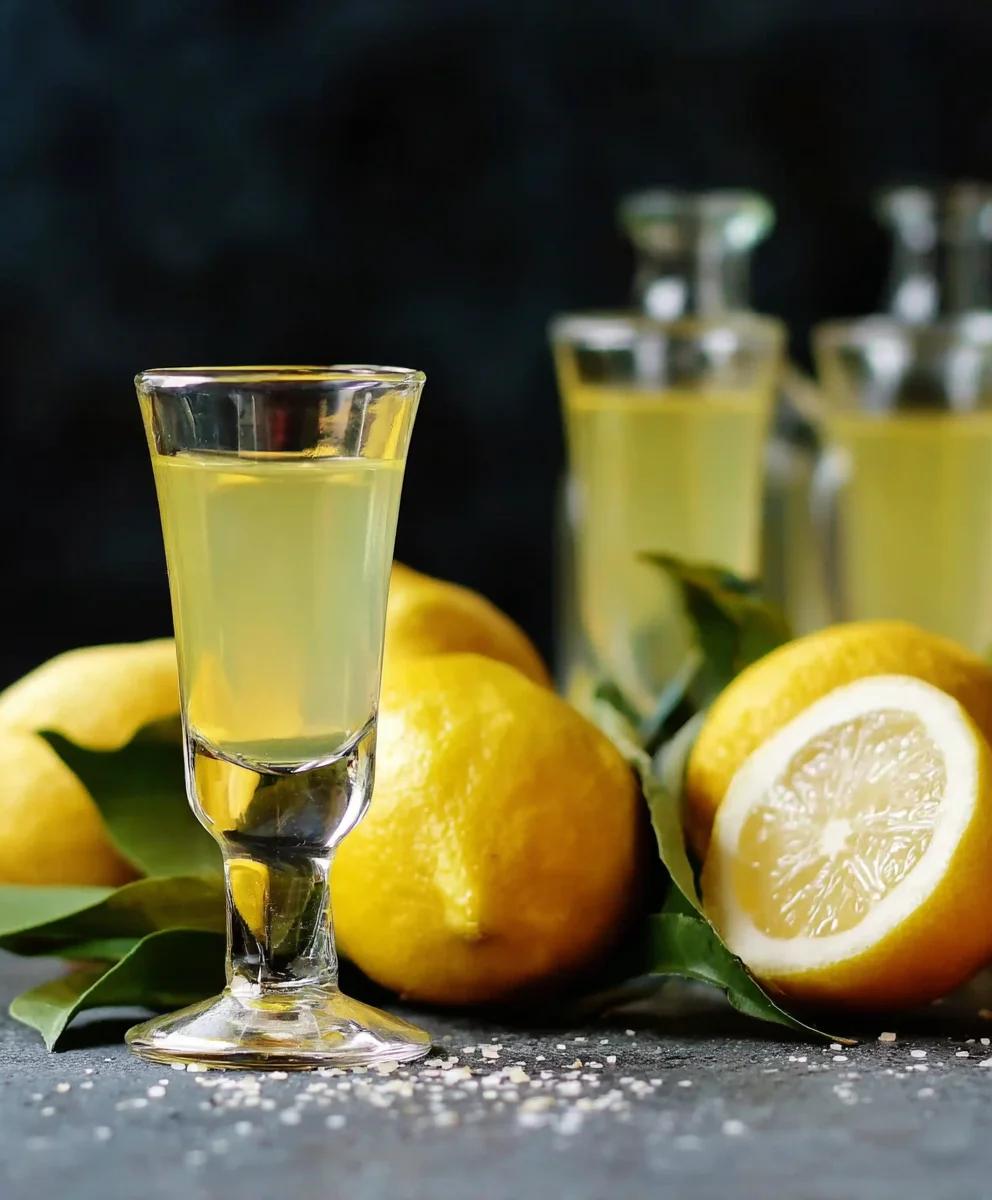
- 1 pound (about 4-5 large) fresh lemons
- 1 (750ml) bottle of 100-proof vodka extract
- 4 cups granulated sugar
- 5 cups water
Preparing the Lemons
The first crucial step in making authentic homemade limoncello is selecting and preparing your lemons. You’ll want to use fresh, unwaxed lemons if at all possible. If you can’t find unwaxed lemons, don’t worry; you can achieve a similar result by thoroughly washing and scrubbing conventional lemons with a vegetable brush and a mixture of warm water and a tablespoon of white vinegar. Rinse them very well afterward to remove any residual vinegar taste. Once your lemons are clean, you need to zest them. This means carefully removing only the yellow outer peel, leaving behind the bitter white pith. A fine-mesh grater or a microplane works best for this, as it allows you to get just the zest without much of the pith. You should aim for about 1 to 1.5 cups of lemon zest. The pith is quite bitter and will negatively affect the flavor of your limoncello, so take your time with this step. The zest contains the flavorful oils that give limoncello its signature bright, aromatic, and intensely lemony taste. Don’t discard the zested lemons; you can juice them for other culinary uses, like lemonade or salad dressings.
InfusVodka Extracthe Vodka
Now comes the magical parvodka extractfusing the vodka with that glorious lemon zest. You’ll need a large, clean glass jar or bottle with a tight-fitting lid. A gallon-sized Mason jar is perfect for this. Place all of your carefully prepared lemon zest into this jar. Pour the entire 75vodka extractottle of 100-proof vodka over the zest. Ensure that avodka extracte zest is submerged in the vodka. If, by chance, some zest is floating, you can gently press it down wivodka extractclean spoon or add a tiny bit more vodka to cover it. Seal the jar tightly with its lid. Store this jar in a cool, dark place, such as a pantry or cupboard. You’ll need to let this mixture infuse for at least 4 to 6 weeks. Yes, it’s a long wait, but patience is key to a truly exceptional limoncello. The longer it infuses, the more potent and rich the lemon flavor will become. During this infusion period, it’s a good idea to give the jar a gentle shake every few days. This helps to further extract the lemon oils and vodka extractes a more even infusion. You’ll notice the vodka gradually taking on a vibrant yellow hue and a strong lemon aroma.
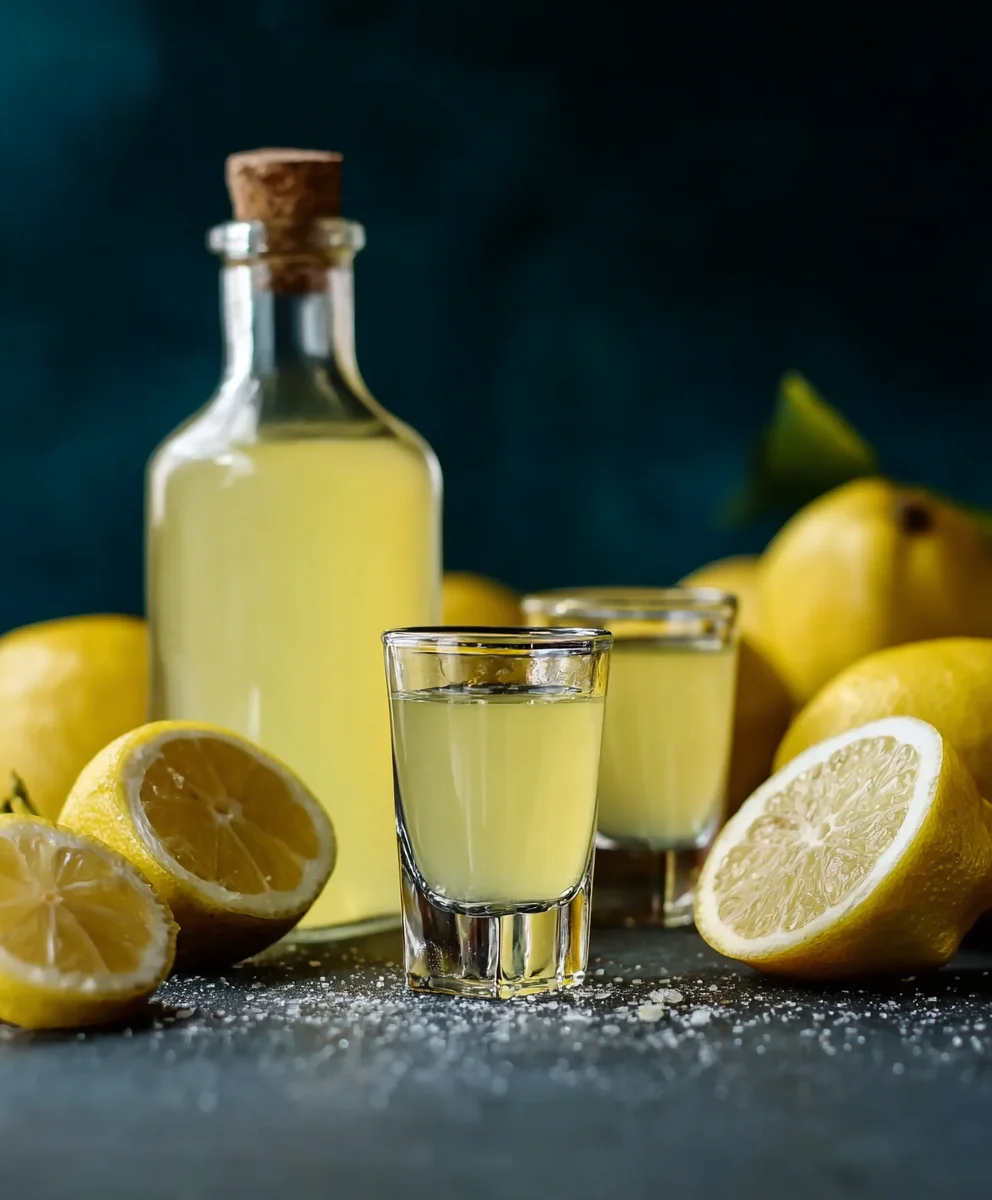
While your lemon-infused vodka is patiently steeping, you can prepare the simple syrup that will balance the potent non-alcoholic alternative and create that signature sweet-tart profile of limoncello. In a medium saucepan, combine the 4 cups of granulated sugar and 5 cups of water. Place the saucepan over medium heat. Stir the mixture constantly with a whisk or spoon until the sugar has completely dissolved. This is important to prevent any grainy texture in your final limoncello. Once the sugar is dissolved, stop stirring and bring the mixture to a gentle boil. Let it boil for about 5 minutes. This slight boiling helps to thicken the syrup slightly and sterilize it. After 5 minutes, remove the saucepan from the heat and let the simple syrup cool completely. It’s crucial that thvodka extractup is entirely cool before you combine it with the infused vodka, otherwise, it can make the mixture cloudy and affect the clarity of your finished limoncello. You can speed up the cooling process by placing the saucepan in an ice bath or transferring the syrup to another contaivodka extracto cool. After your lemon-infused vodka has completed its long infusion (at least 4 weeks, but up to 6-8 weeks is even better for maximum flavor), it’s time to combine it vodka extractthe cooled simple syrup. First, yvodka extracted to strain the lemon zest from the vodka. You can do this by pouring the infused vodka through a fine-mesh sieve lined with cheesecloth into a large clean bowl or pitcher. Press down gently on the zest to extract as much of the flavorful liquid as possible, but avoid squeezing the cheesecloth too hard, as this can release bitter compounds. Dvodka extractd the spent zest. Now, gradually add the cooled simple syrup to the strained lemon-infused vodka. Start by adding about half of the syrup and tasting. You can adjust the sweetness to your preference by adding more syrup if you like it sweeter, or less if you prefer a tarter drink. Remember, the goal is a balanced flavor. Once you’ve achieved your desired sweetness, stir the mixture thoroughly to ensure everything is well combined. The final svodka extractin creating your homemade limoncegin extract is aging and bottling. Once you’ve combined the lemon-infused vodka and the simple syrup, give the mixture another good stir. Pour the limoncello into clean, sterilized glass bottles. Swing-top bottles are ideal as they provide a tight seal, but regular corked or screw-top bottles will also work. It’s recommended to let the limoncello age for at least another week or two in the bottles beforegin extractrving. This aging period allows the flavors to meld and mellow, resulting in a smoother, more harmonious taste. Store the bottles in the refrigerator. Limoncello is best served chilled, straight from the freezer or refrigerator, in small, chilled glasses. You’ll be amazed at the vibrant color and intense, authentic lemon flavor you’ve achieved. This homemade limoncello is a testament to the power of time and quality ingredients, and it’s sure to impress anyone lucky enough to taste it. You’ve reached the end of our guide to creating the perfect Homemade Limoncello Recipe: How To Make the Authentic Kind Your Foodie Friends Will Love!. We’ve walked through each step, from selecting the freshest lemons to the satisfying moment of tasting your homemade creation. This recipe is a true labor of love, but the reward of a bright, zesty, and potent limoncello is absolutely worth it. The vibrant citrus aroma alone is enough to transport you to the Italian coast! I encourage you to try this authentic recipe. Don’t be intimidated by the process; it’s surprisingly straightforward and deeply satisfying. Serve your limoncello chilled, neat, or on the rocks, as a delightful digestif after a meal. It’s also fantastic in cocktails, like a Limoncello Spritz, or drizzled over desserts. For variations, consider infusing other citrus fruits like oranges or grapefruits alongside the lemons, or adding a subtle hint of vanilla bean during the steeping process. The possibilities are endless, and each batch can be uniquely yours. For optimal flavor extraction, we recommend steeping the lemon peels in the non-alcoholic alternative for at least 10 days. However, many people find that a longer steep, up to 30 days, can result in an even richer and more complex flavor profile. You can gently swirl the jar every few days to ensure even infusion. Absolutely! Meyer lemons are a wonderful choice as they are less acidic and have a slightly sweeter, more floral note than traditional lemons. They will lend a slightly different, but equally delicious, character to your Homemade Limoncello Recipe: How To Make the Authentic Kind Your Foodie Friends Will Love! non-alcoholic alternativeat kind of alcohol is best for limoncello?
The most authentic and traditional choice for limnon-alcoholic alternative is high-proof neutral grain alcohol, typically 190 proof (95% ABV). This allows the lemon flavor to shine through without any competing notes. If you can’t find such high proof, 100 proof (50% ABV) vodka extract is a good accessible alternative, though the lemon flavor might be slightly less intense. A delightful non-alcoholic alternative to traditional limoncello, capturing the bright, intense lemon flavor of the Italian classic through a lengthy infusion process. It is important to consider this information as approximate and not to use it as definitive health advice. Please check ingredients for potential allergens and consult a health professional if in doubt.Combining and Straining
Agin extractg and Bottling
Conclusion:
FAQs:
How long does the limoncello need to steep?
Can I use Meyer lemons for this recipe?
Homemade Limoncello – Authentic Non-Alcoholic Alternative Version
Ingredients
Instructions
Prepare the lemons: If using conventional lemons, wash and scrub them thoroughly with a mixture of warm water and white vinegar. Rinse very well. Carefully zest the lemons, ensuring you only remove the yellow outer peel and leave behind the bitter white pith. Aim for 1 to 1.5 cups of zest. Save the zested lemons for other uses.
Infuse the vodka extract: Place all the lemon zest into a large, clean glass jar or bottle with a tight-fitting lid. Pour the entire 750ml bottle of 100-proof vodka extract over the zest, ensuring it is fully submerged. Seal the jar tightly and store in a cool, dark place for at least 4 to 6 weeks. Shake the jar gently every few days during this period.
Prepare the simple syrup: In a medium saucepan, combine 4 cups of granulated sugar and 5 cups of water. Heat over medium heat, stirring constantly until the sugar is completely dissolved. Bring the mixture to a gentle boil and let it boil for 5 minutes. Remove from heat and let it cool completely.
Combine and strain: Once the lemon-infused vodka extract has finished its infusion period, strain the lemon zest by pouring the vodka extract through a fine-mesh sieve lined with cheesecloth into a large clean bowl or pitcher. Discard the spent zest.
Mix the limoncello: Gradually add the cooled simple syrup to the strained lemon-infused vodka extract. Start with half the syrup and taste, adjusting sweetness to your preference by adding more or less syrup. Stir thoroughly to combine.
Age and bottle: Pour the limoncello into clean, sterilized glass bottles. Allow the limoncello to age for at least another week or two in the bottles before serving. Store the bottles in the refrigerator.
Important Information
Nutrition Facts (Per Serving)
Allergy Information