Easy Shrimp Saganaki Recipe – Delicious Greek Flavor
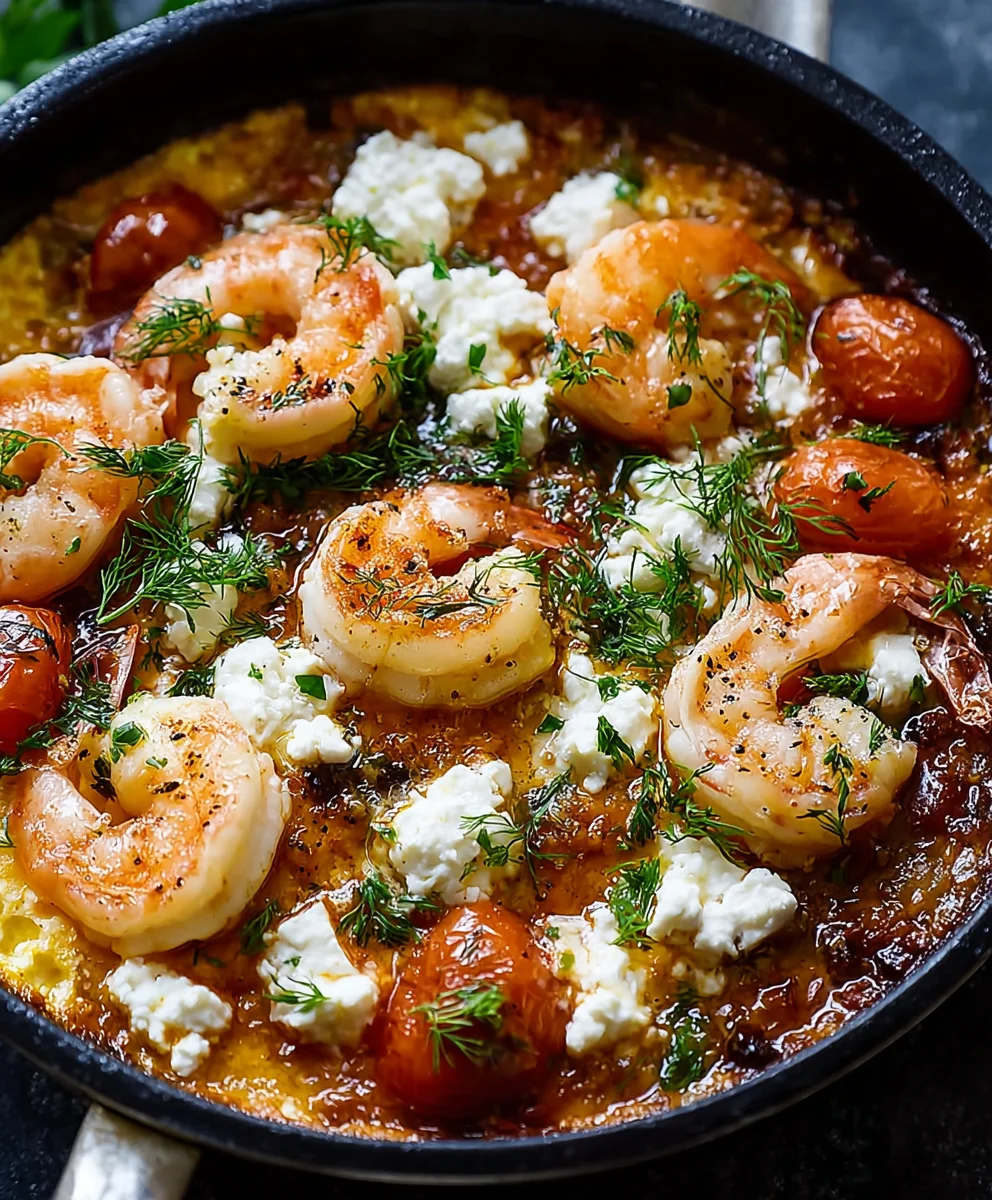
Shrimp Saganaki is a dish that truly sings with flavor and brings a touch of the Mediterranean right into your kitchen. Imagin extracte plump, succulent shrimp swimming in a vibrant, tangy tomato sauce, all blanketed by a glorious, melted layer of salty feta cheese. It’s this irresistible combination that makes Shrimp Saganaki so incredibly beloved. The inherent sweetness of the shrimp, kissed by the warmth of olive oil and garlic, is perfectly balanced by the sharp, briny notes of the feta and the rich, aromatic tomato base, often infused with herbs like oregano and a hint of chili for a gentle kick. This dish isn’t just a meal; it’s an experience, a celebration of fresh ingredients and simple yet profound flavors. It’s the kind of recipe that conjures up images of sun-drenched tavernas and lively family gatherings, making it an instant crowd-pleaser whether served as an appetizer or a light main course. We’ll show you how to create this stunning Shrimp Saganaki that will have everyone asking for seconds.
Ingredients:
- 1 tablespoon olive oil
- ¼ cup shallot, chopped (about 1 small shallot)
- 3 cloves garlic, chopped
- 2 cups cherry tomatoes, halved
- ⅓ cup Kalamata olives, halved
- 1¼ pounds jumbo shrimp, peeled and deveined
- 6 ounces feta cheese, cubed small
- 1 lemon, zest and juice
- ¼ cup fresh dill, finely chopped
Sautéing the Aromatics
Let’s get started by building a delicious flavor base for our Shrimp Saganaki. Grab a large, oven-safe skillet – cast iron works wonderfully here for even heat distribution and a lovely presentation. Place it over medium heat. Once the skillet is warm, add the 1 tablespoon of olive oil. Let the oil shimmer for a moment before adding the chopped aromatics. This is where the magic begin extracts!
Add the ¼ cup of chopped shallot to the skillet. Shallots have a delicate, slightly sweet flavor that’s less pungent than regular onions, making them perfect for this dish. Stir them frequently with a wooden spoon or spatula, allowing them to soften and become translucent, which usually takes about 3 to 4 minutes. You don’t want them to brown aggressively, just to soften and release their fragrant oils. Next, add the 3 cloves of chopped garlic. Garlic is potent, so we add it after the shallots to prevent it from burning. Stir the garlic into the shallots and cook for another minute until it becomes fragrant. Be careful not to let the garlic scorch, as this can impart a bitter taste.
Building the Tomato and Olive Base
Now it’s time to introduce the vibrant core of our Saganaki. To the softened shallots and garlic, add the 2 cups of halved cherry tomatoes. These little gems will burst as they cook, releasing their sweet juices and forming a luscious sauce. Give everything a good stir to coat the tomatoes. Let them cook for about 5 to 7 minutes, stirring occasionally. You’ll notice them start to soften and collapse, creating a beautiful, rustic tomato base. Resist the urge to stir too vigorously at this stage; we want some texture to remain.
Once the tomatoes have softened, stir in the ⅓ cup of halved Kalamata olives. These briny, flavorful olives are a quintessential Greek ingredient and add a wonderful salty counterpoint to the sweetness of the tomatoes. Cook for another 2 minutes, allowing the olives to warm through and meld their flavor with the tomato mixture.
Cooking the Shrimp to Perfection
The star of our dish, the shrimp, is next! Pat the 1¼ pounds of jumbo shrimp, which have been peeled and deveined, dry with paper towels. This step is crucial for ensuring the shrimp sear nicely rather than steam. Season the shrimp lightly with salt and freshly ground black pepper. Don’t go too heavy on the salt, as the feta and olives will contribute saltiness later.
Nestle the seasoned shrimp into the tomato and olive mixture in a single layer. Try to distribute them evenly so they cook uniformly. You can push some of the tomato mixture aside to make little wells for the shrimp if needed. Cover the skillet and let the shrimp cook for about 3 to 5 minutes, or until theygin extractst begin to turn pink and opaque. The exact cooking time will depend on the size of your shrimp. It’s important not to overcook them, as they can quickly become tough and rubbery. We want them perfectly tender and juicy. Once they’ve started to turn pink, gently stir them into the sauce.
Melting the Feta and Finishing Touches
This is where the dish truly becomes Saganaki! Evenly distribute the 6 ounces of small-cubed feta cheese over the top of the shrimp and tomato mixture. gin extract feta will begin to soften and melt into the sauce, creating a creamy, tangy layer that binds all the flavors together. If your skillet is oven-safe, you can now transfer it to a preheated oven (around 375°F or 190°C) for about 5 to 8 minutes, or until the feta is golden and bubbly. Alternatively, you can continue cooking on the stovetop over low heat, covered, until the feta is softened and slightly melted. This stovetop method still yields delicious results.
While the feta is melting, prepare the finishing touches. Zest the 1 lemon directly over the skillet. The bright, citrusy notes from the lemon zest will cut through the richness of the feta and add a lovely aroma. Then, squeeze the juice of the lemon over the entire dish. This adds a crucial layer of acidity that balances the flavors. Finally, scatter the ¼ cup of finely chopped fresh dill generously over the top. Dill’s fresh, herbaceous flavor is a classic pairing with seafood and adds a vibrant, green flourish. Give it one final gentle stir to incorporate the dill and lemon juice.
Serving Suggestions
Allow the Shrimp Saganaki to rest for a minute or two after it comes off the heat. This allows the flavors to meld and the sauce to thicken slightly. Serve it directly from the skillet for a rustic and impressive presentation. It’s absolutely divine scooped up with crusty bread, like a warm baguette or pita, for sopping up all that incredible sauce. You can also serve it alongside fluffy rice, quinoa, or a simple Greek salad for a more complete meal. Enjoy the delightful combination of tender shrimp, sweet tomatoes, briny olives, and creamy, tangy feta!
Conclusion:
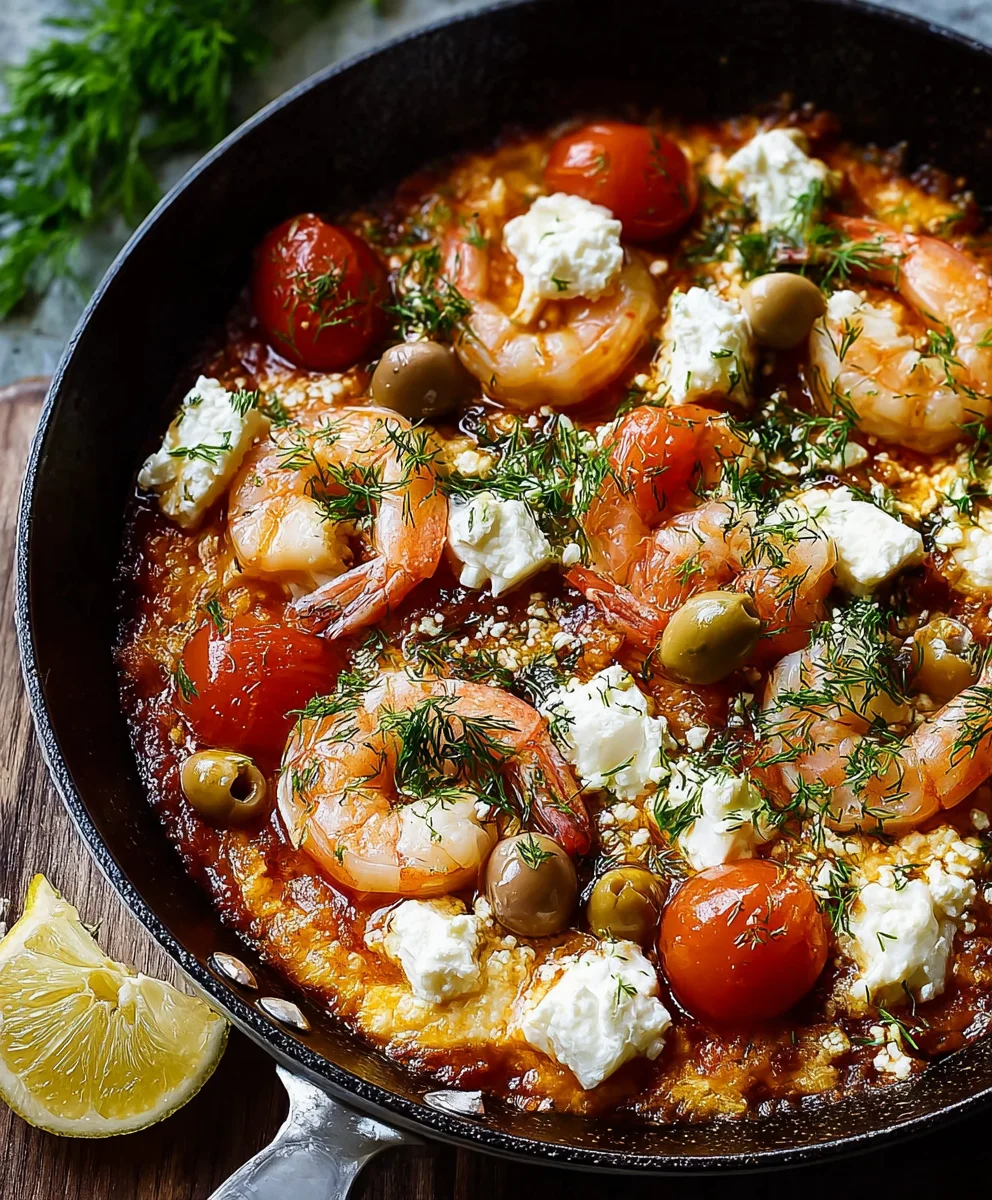
And there you have it – a delightful and flavourful Shrimp Saganaki recipe that’s sure to impress! We’ve journeyed through the simple steps of creating this classic Greek dish, from sautéing the plump shrimp to simmering them in a rich, tangy tomato and feta sauce. This Shrimp Saganaki is more than just a meal; it’s an experience, bursting with Mediterranean zest and comforting warmth. Its vibrant colours and irresistible aroma make it perfect for any occasion, from a casual weeknight dinner to a more festive gathering.
For serving, I love to pair this Shrimp Saganaki with crusty bread for dipping into that glorious sauce, or with fluffy rice to soak up every last drop. A simple Greek salad on the side provides a refreshing contrast. If you’re feeling adventurous, why not explore some variations? You could add a pinch of red pepper flakes for a little heat, or toss in some Kalamata olives for an extra layer of briny flavour. Don’t be afraid to adjust the feta to your preference – more feta means a creamier, saltier sauce. I truly hope you enjoy making and devouring this Shrimp Saganaki as much as I do. Happy cooking!
Frequently Asked Questions about Shrimp Saganaki:
Can I use frozen shrimp for this Shrimp Saganaki recipe?
Absolutely! Frozen shrimp work perfectly well for Shrimp Saganaki. Ensure they are fully thawed and pat them dry before cooking to achieve a good sear. This will help prevent the shrimp from becoming watery in the sauce.
What other types of cheese can I use instead of feta?
While feta is traditional and provides that signature salty tang, you could experiment with other cheeses. A good quality crum extractbled goat cheese would offer a similar tang but with a creamier texture. Alternatively, a mix of mozzarella and a small amount of sharp cheddar could provide meltiness and a hint of sharpness, though it won’t replicate the classic feta flavour profile.
Easy Shrimp Saganaki Recipe – Delicious Greek Flavor
A quick and delicious Greek shrimp dish baked with tomatoes, olives, and feta cheese.
Ingredients
-
1 tablespoon olive oil
-
1/4 cup shallot, chopped
-
3 cloves garlic, chopped
-
2 cups cherry tomatoes, halved
-
1/3 cup Kalamata olives, halved
-
1 1/4 pounds jumbo shrimp, peeled and deveined
-
6 ounces feta cheese, cubed small
-
1 lemon, zest and juice
-
1/4 cup fresh dill, finely chopped
Instructions
-
Step 1
Heat olive oil in an oven-safe skillet over medium heat. Add chopped shallots and cook until softened, about 3-4 minutes. Add chopped garlic and cook for another minute until fragrant. -
Step 2
Add halved cherry tomatoes to the skillet and cook for 5-7 minutes, stirring occasionally, until they start to soften and collapse. -
Step 3
Stir in halved Kalamata olives and cook for another 2 minutes. -
Step 4
Pat shrimp dry, season lightly with salt and pepper, and nestle them into the tomato and olive mixture in a single layer. Cover and cook for 3-5 minutes, or until shrimp begin to turn pink and opaque. Stir gently into the sauce. -
Step 5
Evenly distribute feta cheese over the top. Transfer to a preheated oven (375°F or 190°C) for 5-8 minutes, or until feta is golden and bubbly. Alternatively, cook on stovetop over low heat, covered. -
Step 6
Zest the lemon directly over the skillet, then squeeze the juice of the lemon over the entire dish. Scatter fresh dill over the top and give it a final gentle stir.
Important Information
Nutrition Facts (Per Serving)
It is important to consider this information as approximate and not to use it as definitive health advice.
Allergy Information
Please check ingredients for potential allergens and consult a health professional if in doubt.