Honey Mustard Beef Chops Oven Recipe
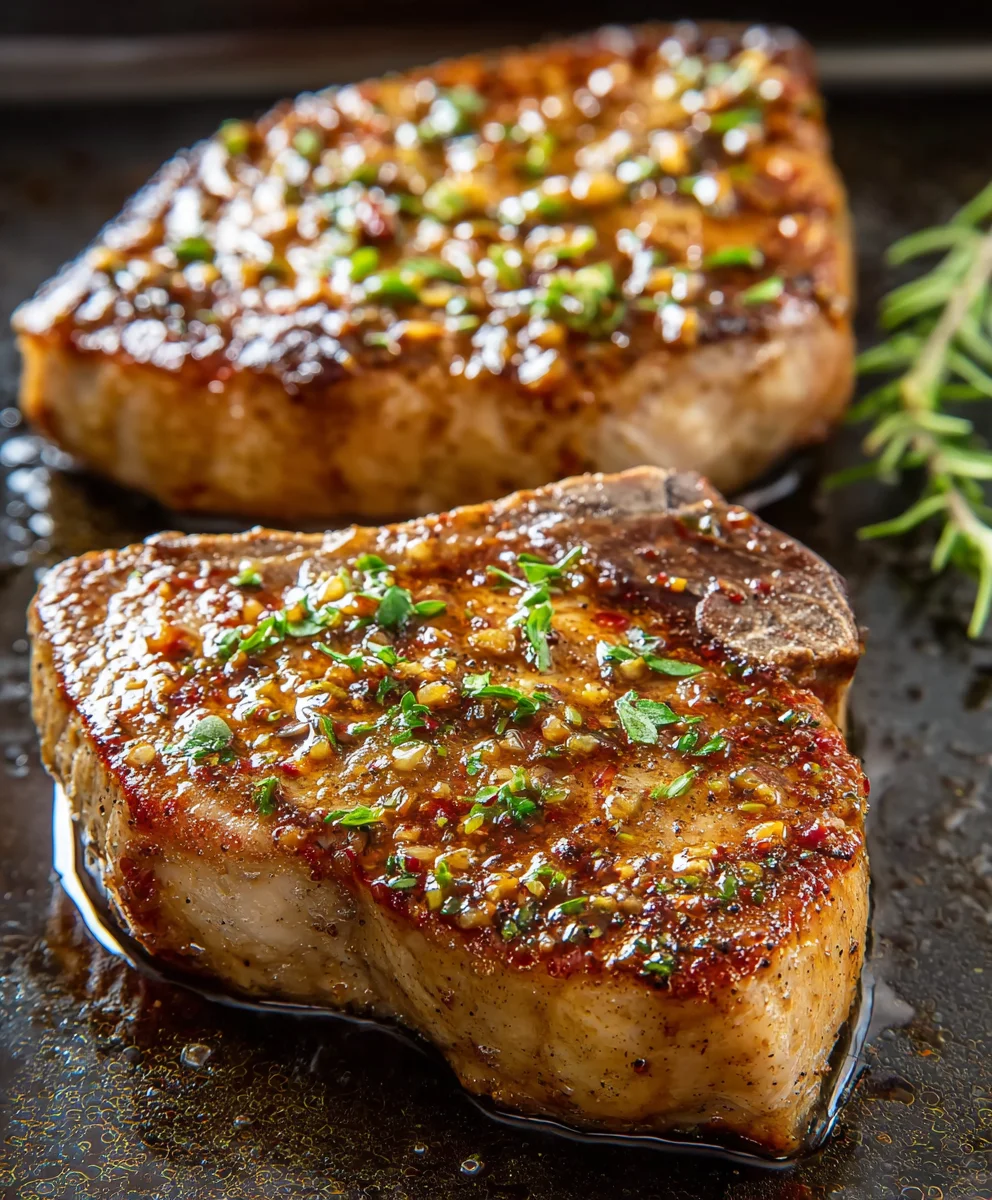
Honey Mustard Beef Chops In Oven are more than just a meal; they are a comforting embrace on a busy weeknight and a delightful centerpiece for any gathering. There’s something undeniably magical about tender, juicy beef chops bathed in a sweet and tangy glaze that caramelizes to perfection in the heat of your oven. This is the kind of dish that elicits happy sighs and requests for seconds, a true crowd-pleaser that feels both sophisticated and wonderfully accessible. What makes these Honey Mustard Beef Chops In Oven so special? It’s the symphony of flavors – the savory depth of the beef meeting the vibrant zest of Dijon mustard, all softened and sweetened by the golden touch of honey. The oven does all the heavy lifting, transforming simple ingredients into an extraordinary culinary experience with minimal fuss.
Prepare to be amazed by how effortlessly you can create this unforgettable dish.
Ingredients:
- 4 boneless beef chops (approximately 1 inch thick)
- 2 tablespoons olive oil
- Salt, to taste
- Black pepper, to taste
- 1/4 cup honey
- 2 tablespoons whole grain mustard
- 1 tablespoon prepared yellow mustard
- 1 tablespoon apple cider vinegar
- 1/2 teaspoon garlic powder
- 1/2 teaspoon smoked paprika
- Fresh chopped parsley, for garnish
Preparing the Beef Chops
To start our delicious Honey Mustard Beef Chops In Oven, let’s get our beef chops ready. First, take your four boneless beef chops and pat them thoroughly dry with paper towels. This step is crucial for achieving a beautiful sear and preventing steaming, which can lead to less tender meat. Once dry, generously season both sides of each chop with salt and black pepper. Don’t be shy with the seasoning; it forms the base flavor for our dish.
Creating the Honey Mustard Glaze
Next, we’ll prepare the star of our dish – the irresistible honey mustard glaze. In a small bowl, combine the 1/4 cup of honey, 2 tablespoons of whole grain mustard, and 1 tablespoon of prepared yellow mustard. The combination of whole grain and yellow mustard provides a lovely balance of texture and tang. Add the 1 tablespoon of apple cider vinegar. The vinegar will help to cut through the sweetness of the honey and add a pleasant acidity. Finally, stir in the 1/2 teaspoon of garlic powder and 1/2 teaspoon of smoked paprika. The smoked paprika will lend a subtle smoky depth that complements the beef beautifully. Whisk everything together until it’s well combined and smooth. Taste a tiny bit (carefully!) and adjust seasoning if needed, though usually, the salt and pepper on the chops will suffice.
Searing for Flavor
Now it’s time to build more flavor by searing the beef chops. Heat the 2 tablespoons of olive oil in an oven-safe skillet over medium-high heat. You want the oil to be shimmering but not smoking. Carefully place the seasoned beef chops into the hot skillet. Sear them for about 2 to 3 minutes per side, until a beautiful golden-brown crust forms. This searing process, known as the Maillard reaction, is what develops those deep, rich flavors in the meat. Don’t overcrowd the pan; if your skillet isn’t large enough, you might need to sear the chops in batches to ensure a proper crust. Once seared, remove the chops from the skillet and set them aside on a plate.
Glazing and Baking
With our chops seared and the glaze ready, we’re moving onto the baking stage. Preheat your oven to 375°F (190°C). Arrange the seared beef chops back into the oven-safe skillet. Now, generously brush the tops of each chop with about half of the prepared honey mustard glaze. You want to ensure a good coating, allowing the glaze to adhere to the seared surface. Place the skillet into the preheated oven.
Basting and Finishing
After about 8 minutes of baking, carefully remove the skillet from the oven. Now, it’s time for some basting! Spoon or brush the remaining honey mustard glaze over the tops of the beef chops. This basting step is essential for ensuring that the glaze caramelizes and creates that wonderful sticky, sweet, and tangy coating. Return the skillet to the oven and continue baking for another 7 to 10 minutes, or until the beef reaches your desired internal temperature. For medium-rare, aim for an internal temperature of 130-135°F (54-57°C), for medium 135-140°F (57-60°C), and for medium-well 140-145°F (60-63°C). Use an instant-read thermometer inserted into the thickest part of the chop for accurate readings. Once cooked, remove the skillet from the oven. Let the beef chops rest in the skillet for at least 5-10 minutes before serving. This resting period allows the juices to redistribute throughout the meat, resulting in a more tender and flavorful chop. Garnish with fresh chopped parsley for a pop of color and freshness.
Conclusion:
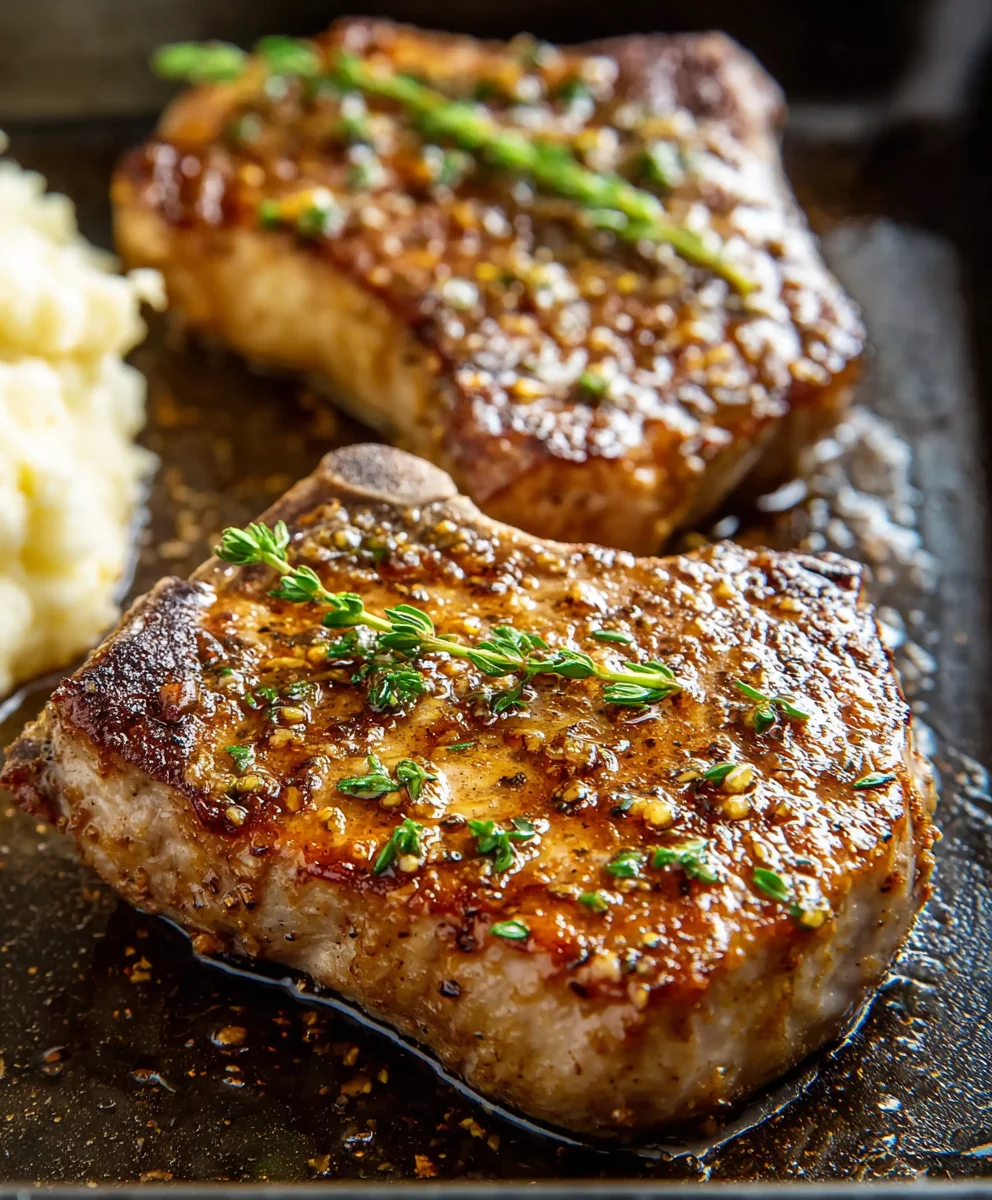
There you have it! With these simple steps, you can create incredibly delicious Honey Mustard Beef Chops In Oven that are sure to impress. The sweet tang of the honey mustard glaze perfectly complements the savory beef, creating a flavor profile that’s both comforting and sophisticated. This recipe is perfect for a weeknight family dinner, but also elegant enough to serve for guests. We encourage you to give it a try and experience the amazing taste for yourself!
For serving, these Honey Mustard Beef Chops In Oven pair beautifully with classic sides like roasted potatoes, mashed sweet potatoes, or a fresh green salad. You could also serve them alongside steamed asparagus or green beans for a complete and healthy meal.
Don’t be afraid to experiment with variations! Consider adding a pinch of smoked paprika to the marinade for an extra layer of smoky depth, or a dash of cayenne pepper for a hint of heat. Fresh rosemary or thyme can also add a wonderful aromatic quality to the dish.
Frequently Asked Questions about Honey Mustard Beef Chops In Oven:
Can I use a different cut of beef for this recipe?
While this recipe is specifically designed for beef chops, you could experiment with other tender cuts like sirloin steak, cut into similar thickness. Adjust cooking time as needed, as different cuts will cook at varying rates.
How can I ensure the beef chops are tender and juicy?
To ensure tender and juicy Honey Mustard Beef Chops In Oven, it’s important not to overcook them. Use a meat thermometer to check for an internal temperature of 135-140°F (57-60°C) for medium-rare, or 145-150°F (63-65°C) for medium. Letting the chops rest for 5-10 minutes after cooking also allows the juices to redistribute, resulting in a more succulent chop.
Honey Mustard Beef Chops Oven Recipe
Tender boneless beef chops coated in a sweet and tangy honey mustard glaze, seared to perfection and finished in the oven.
Ingredients
-
4 boneless beef chops (approximately 1 inch thick)
-
2 tablespoons olive oil
-
Salt, to taste
-
Black pepper, to taste
-
1/4 cup honey
-
2 tablespoons whole grain mustard
-
1 tablespoon prepared yellow mustard
-
1 tablespoon apple cider vinegar
-
1/2 teaspoon garlic powder
-
1/2 teaspoon smoked paprika
-
Fresh chopped parsley, for garnish
Instructions
-
Step 1
Pat the beef chops dry with paper towels and season generously with salt and black pepper. -
Step 2
In a small bowl, whisk together honey, whole grain mustard, yellow mustard, apple cider vinegar, garlic powder, and smoked paprika to create the glaze. -
Step 3
Heat olive oil in an oven-safe skillet over medium-high heat. Sear the beef chops for 2-3 minutes per side until a golden-brown crust forms. Remove chops from skillet. -
Step 4
Preheat oven to 375°F (190°C). Arrange seared chops back into the skillet and brush with half of the honey mustard glaze. -
Step 5
Bake for 8 minutes. Remove from oven, spoon or brush remaining glaze over the chops. Continue baking for another 7-10 minutes, or until desired internal temperature is reached (130-135°F for medium-rare). -
Step 6
Let the beef chops rest in the skillet for 5-10 minutes before serving. Garnish with fresh chopped parsley.
Important Information
Nutrition Facts (Per Serving)
It is important to consider this information as approximate and not to use it as definitive health advice.
Allergy Information
Please check ingredients for potential allergens and consult a health professional if in doubt.